Genetics Guide
The vocabulary every serious cannabis collector and breeder uses. Canonical articles on genetics 101, breeding terms, seed types, lineage concepts, phenotype hunting, and preservation.
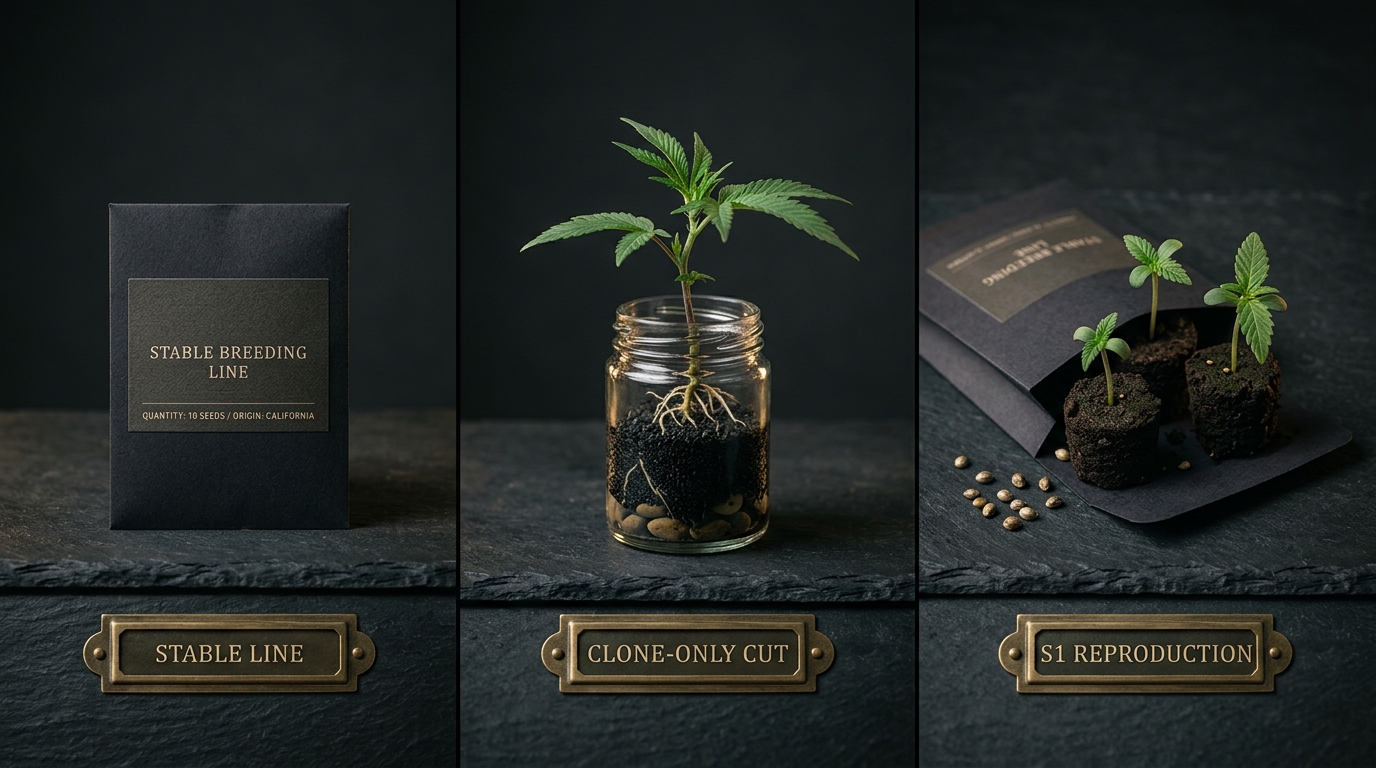
Stabilized line vs. clone-only cut vs. seed reproduction
Three different ways the same strain can exist. Each behaves differently in your garden.

What lineage really means in cannabis
A clear-eyed read on parentage, pedigree, and why two packs of the same name aren't always the same plant.
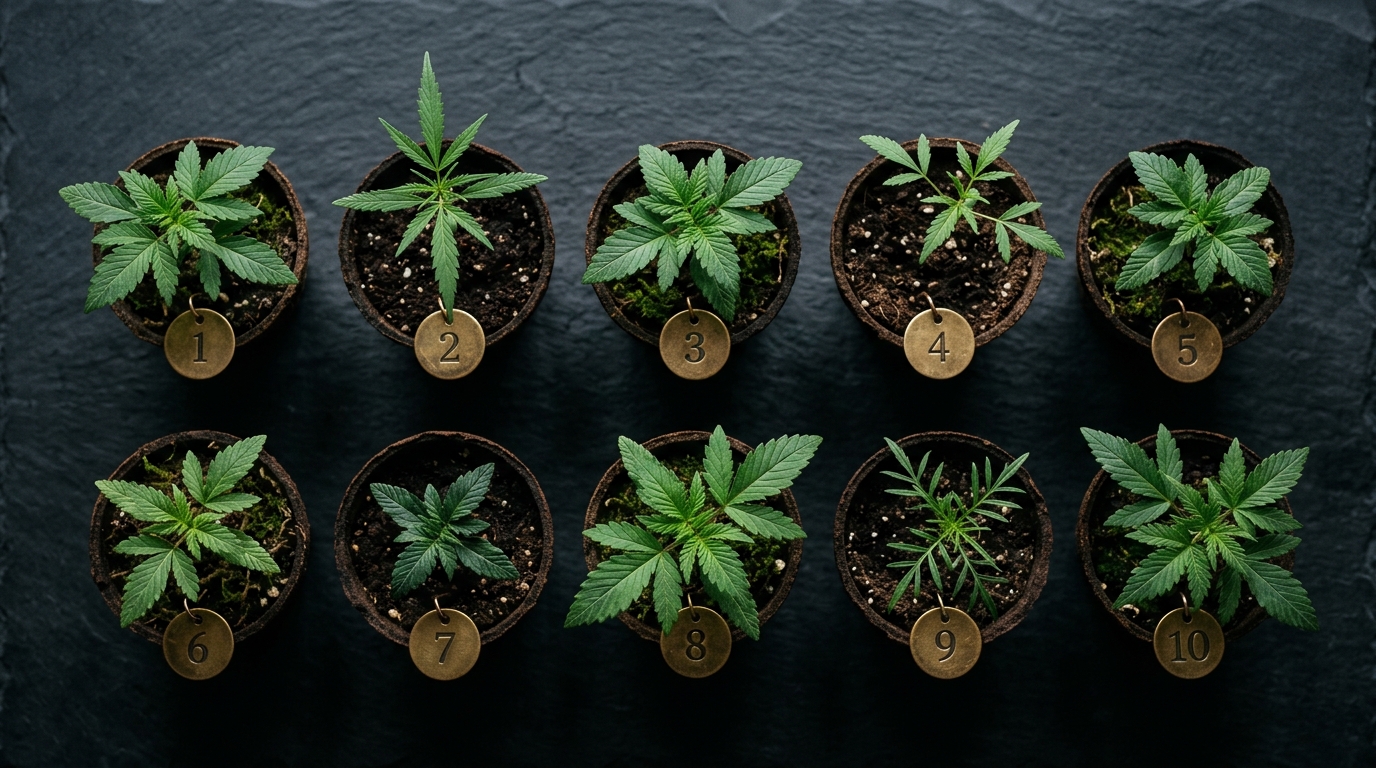
Reading pack variation: what wide phenos tell you about a line
Variation isn't a flaw — it's a signal. Here's how to read it.

What cannabis genetics tests can and cannot tell you
A clear-eyed look at what DNA testing actually reveals about a cannabis plant.
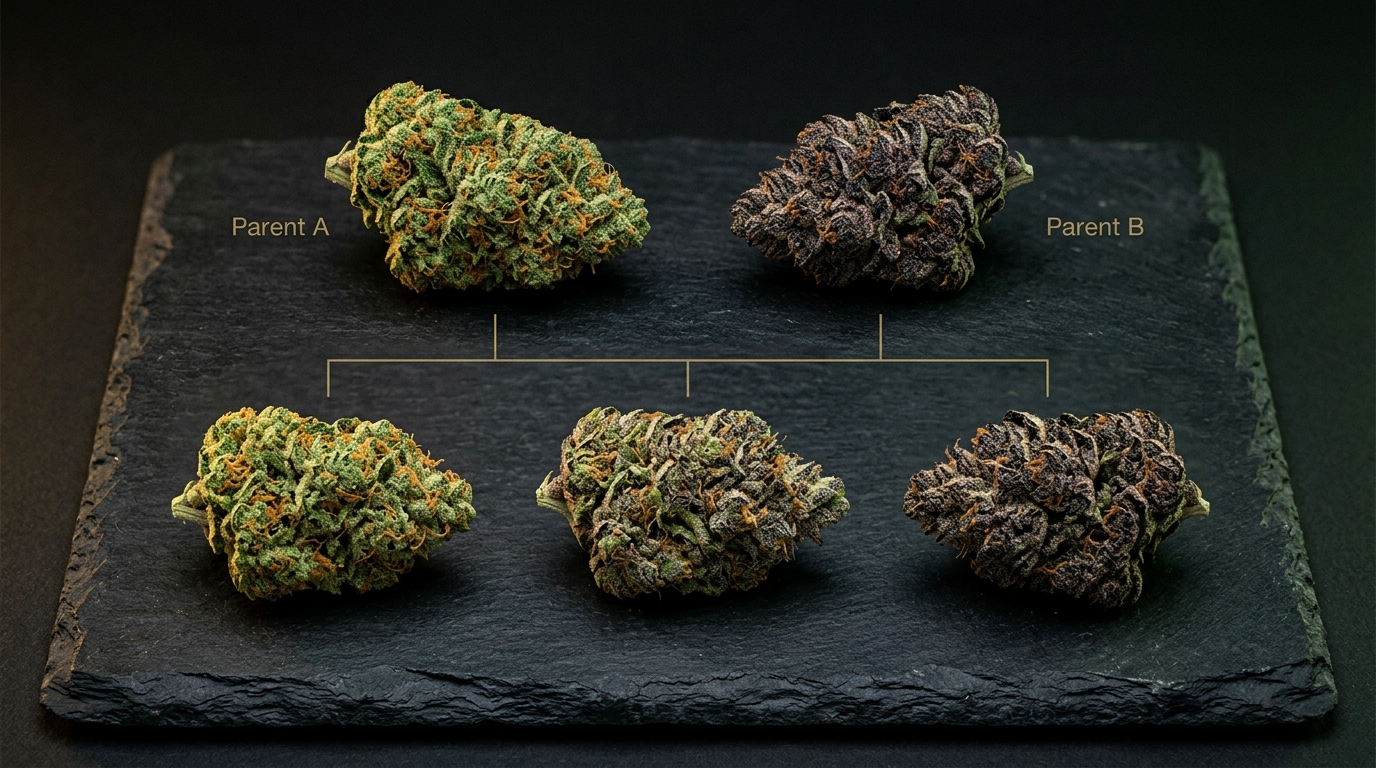
Heritability in cannabis: why some traits pass down strong
Not all traits inherit equally. Some are tightly genetic, others depend on environment as much as DNA.
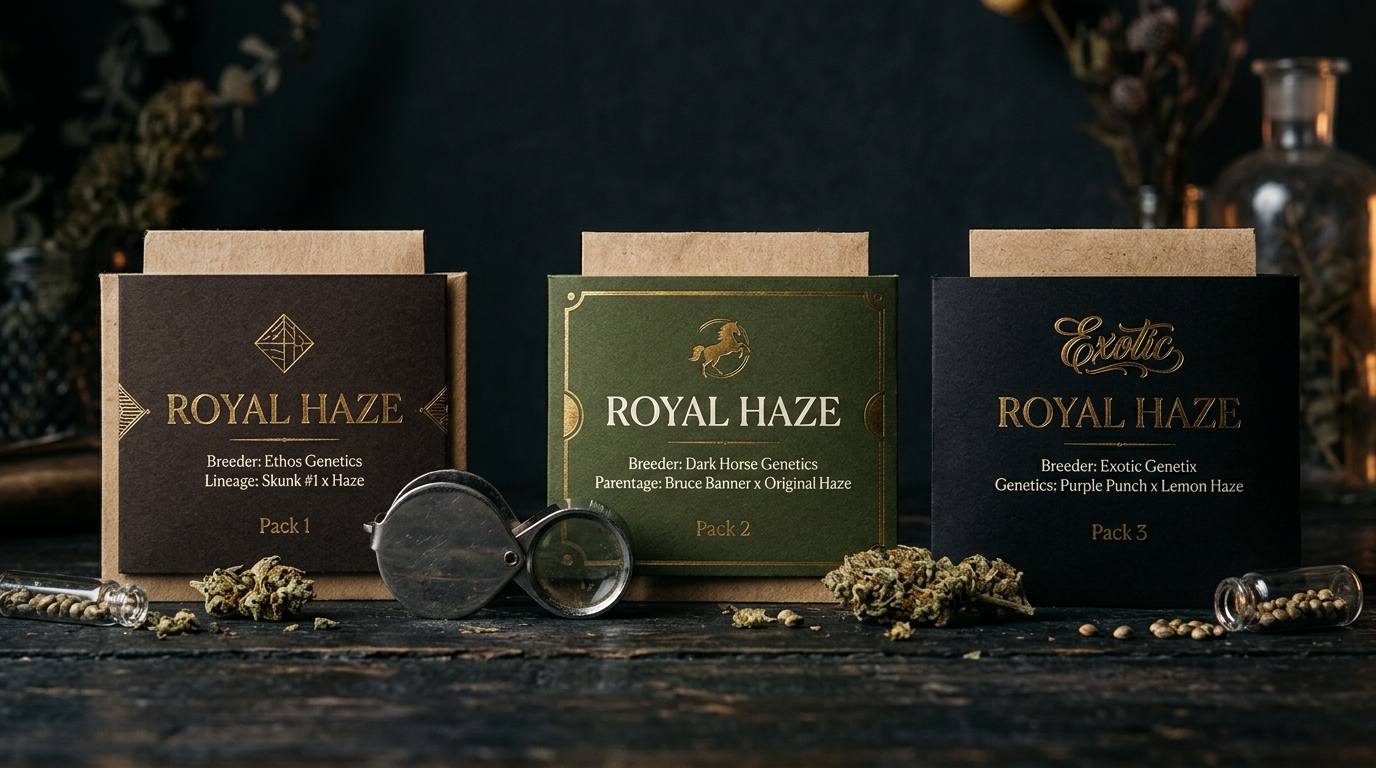
Why reported lineage can vary between seed banks
The same strain name doesn't always mean the same plant. Here's why.

How to evaluate a breeder's lineage claim
A working framework for reading parentage claims — what's credible, what's vague, what's marketing.
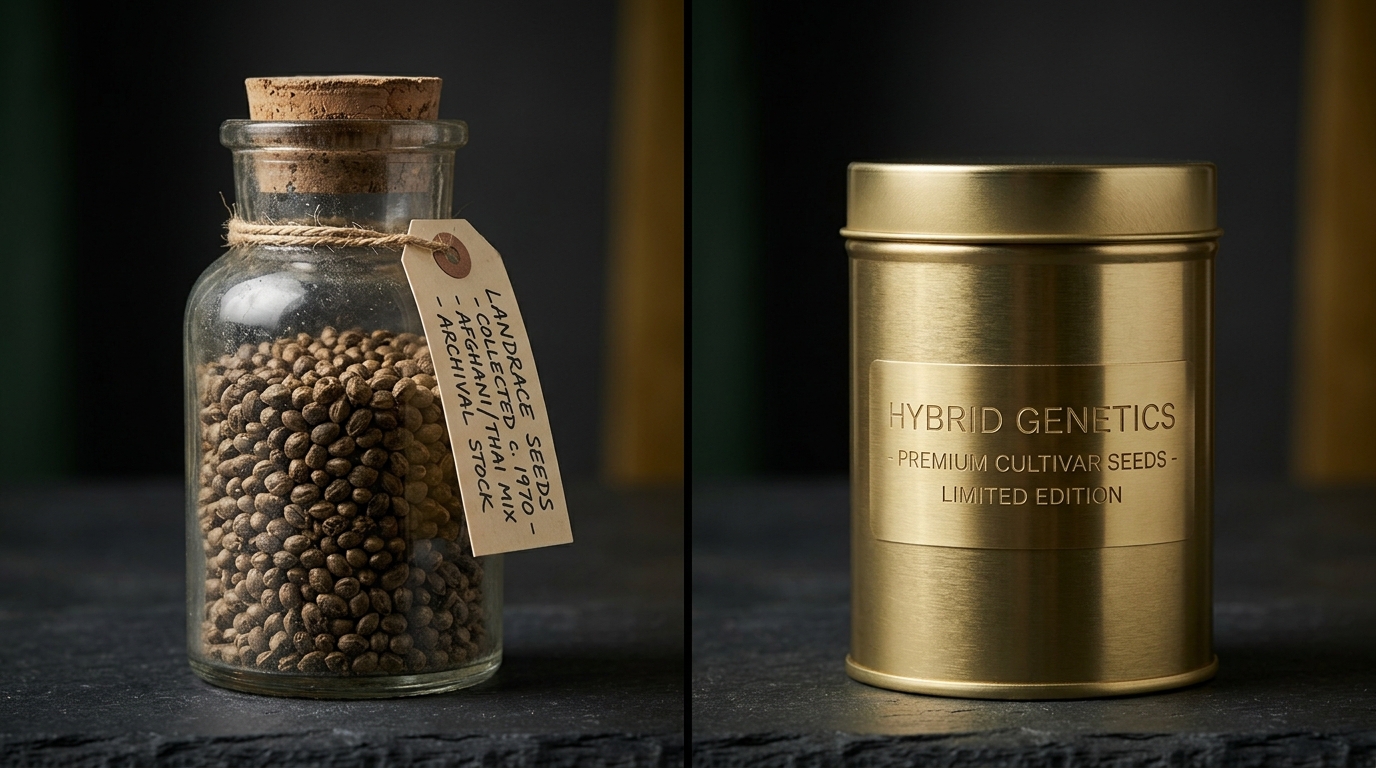
Preservation vs. modernization — two different breeder missions
Both serve the genetic ecosystem; only one is about chasing flavor of the year.
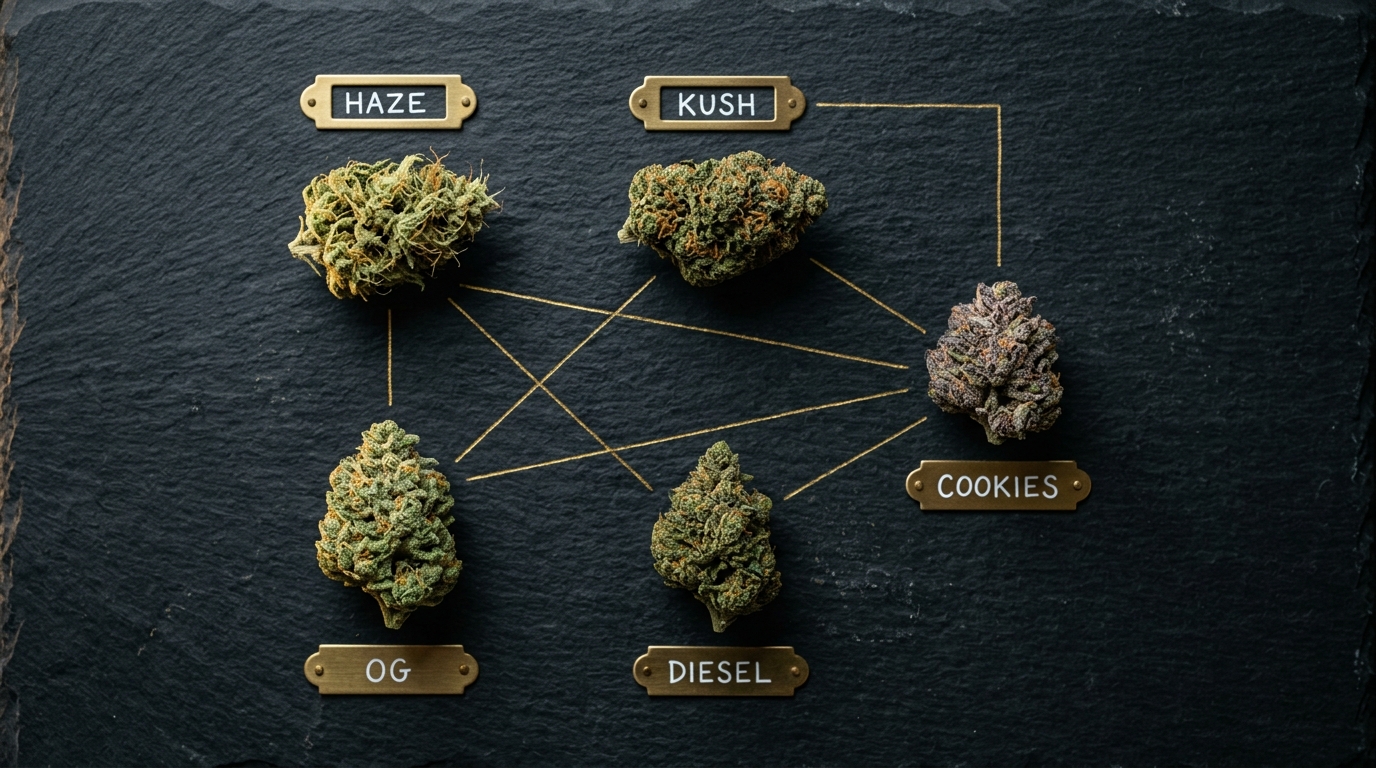
How families form in cannabis
Why Kush, Haze, Cookies, OG and friends behave like genetic neighborhoods.
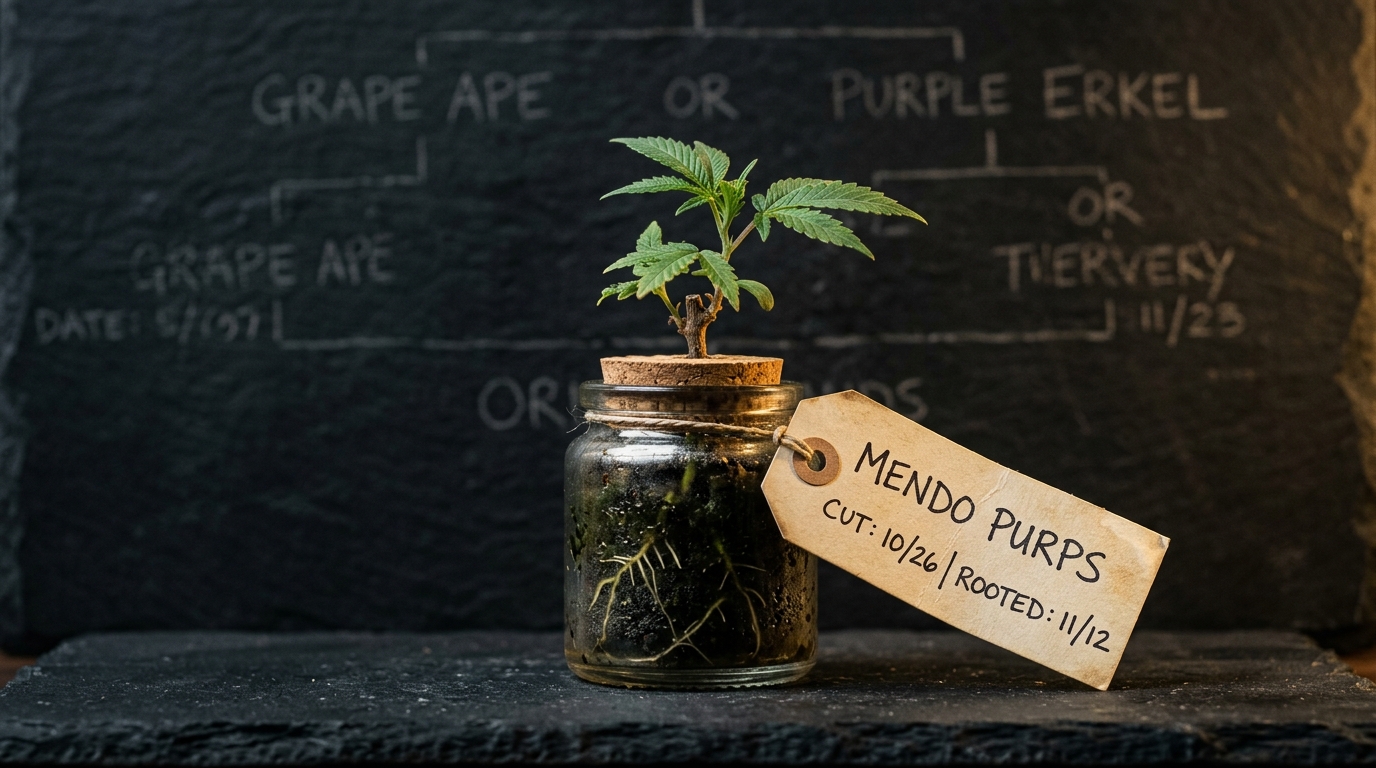
Clone-only cuts: why some strains never come in seed form
Forum Cut, GG#4, Tropicana Cookies — and why your seed pack is technically different.

Documenting a cross — a checklist for breeders
What information your buyers (and your future self) will thank you for recording.

Spotting fake lineage claims
Pattern recognition for collectors who don't want to buy a renamed bagseed.
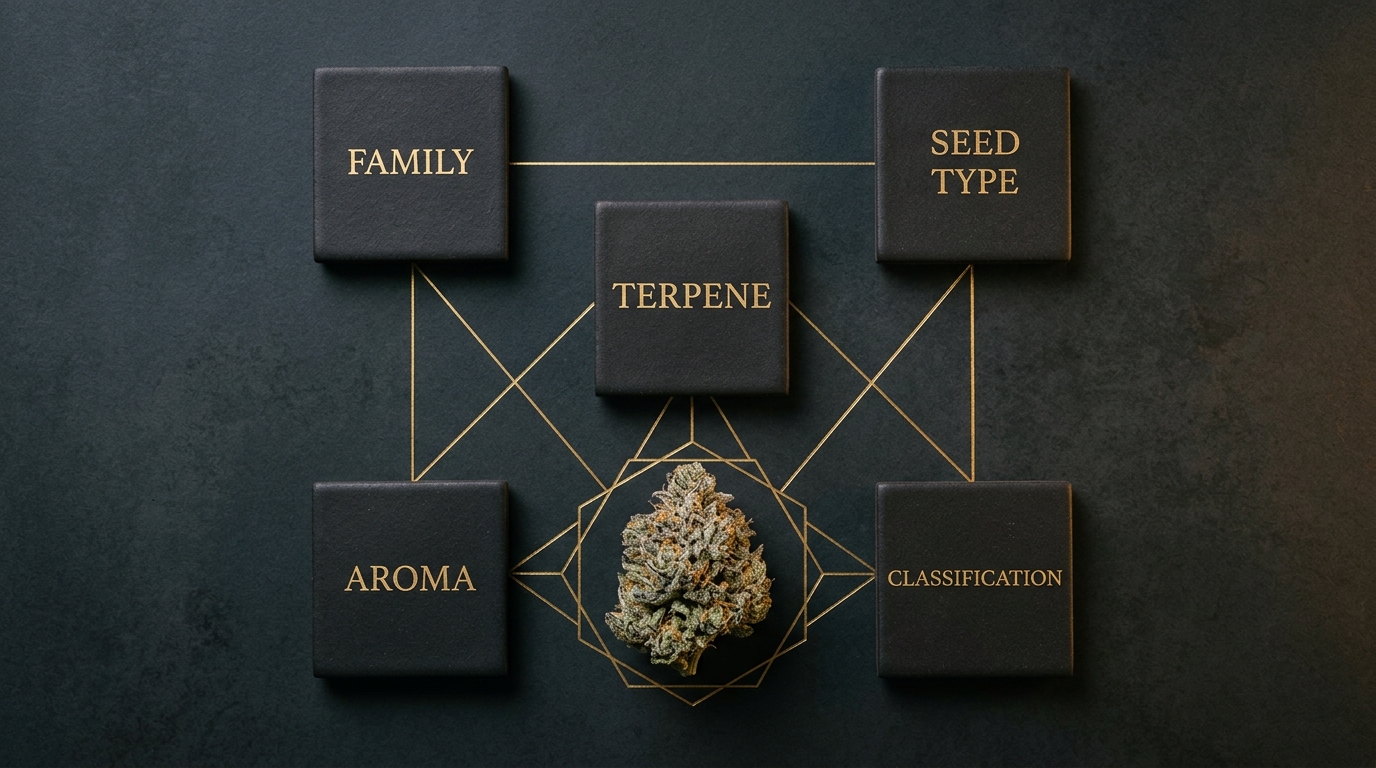
Using the Trait Matrix to find your next plant
How to combine family, terpene, classification, and seed-type filters.

Using the Genetics Map effectively
Tips for navigating CannaForge's interactive lineage graph.

How to read a CannaForge strain page
What each section means and how to use it to decide if a pack is worth your money.

Reported vs. verified vs. disputed lineage
How CannaForge labels what we know and what we don't.

Indica vs sativa: a useful myth
What the labels actually tell you (and what they don't).

Common breeding myths (and what's actually true)
The misconceptions that follow new breeders around — debunked.

The cup-of-coffee test: a hunter's shortcut
An informal nose-and-time test for picking keepers fast.

How to read a lineage chart
Decoding the family tree on a pack of seeds.

Tissue culture for cannabis: a quick primer
Why pros are moving genetic preservation off the dirt and into the lab.
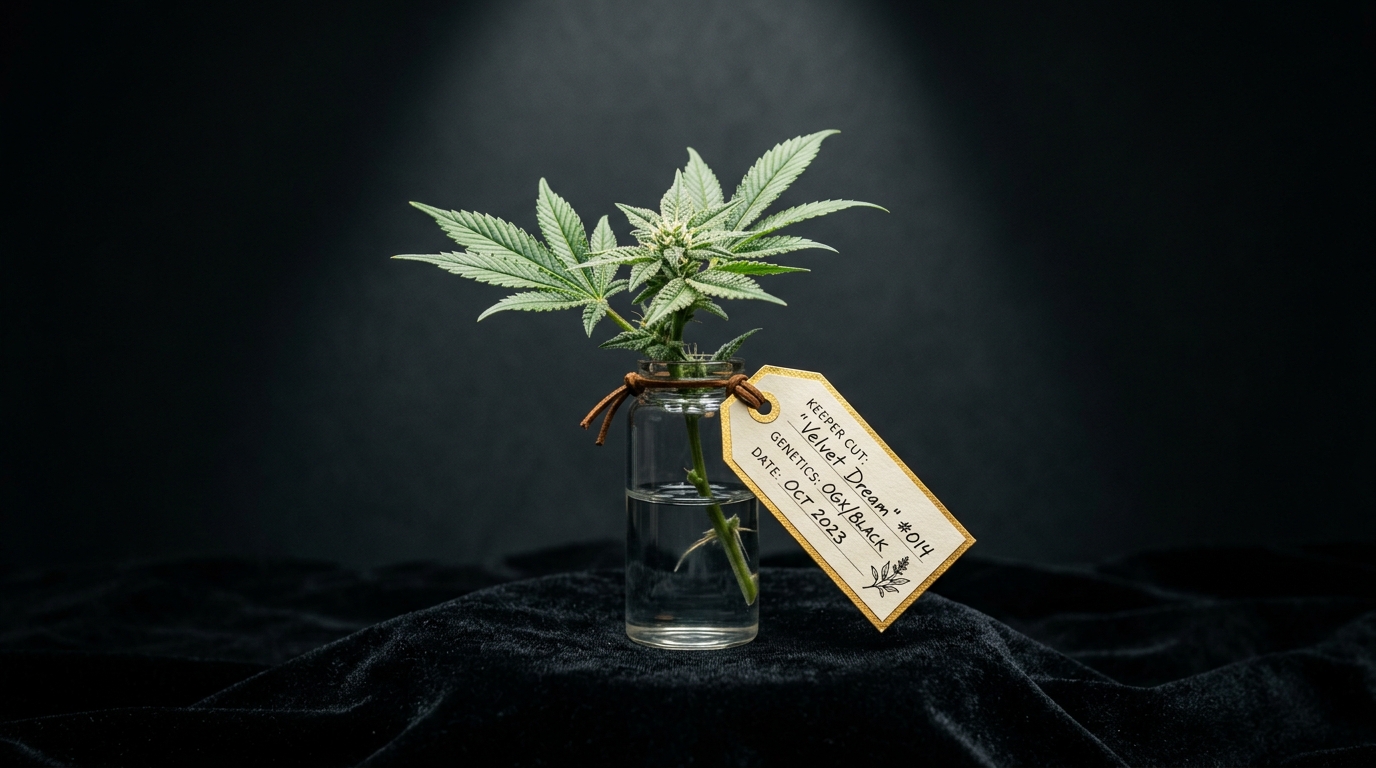
Keeper cuts and how breeders use them
Why one clone in the garage is worth a hundred seeds.

Feminized seed protocols: STS, CS, and rodelization
Three ways to make all-female seed — and how to tell them apart.
Ruderalis: the wild parent of every autoflower
How a scrubby Russian roadside plant changed modern breeding.

Open pollination vs isolated breeding
Two ways to make seeds — and what each one means for your pack.

Pollen chucks: what the term actually means
Not always an insult.
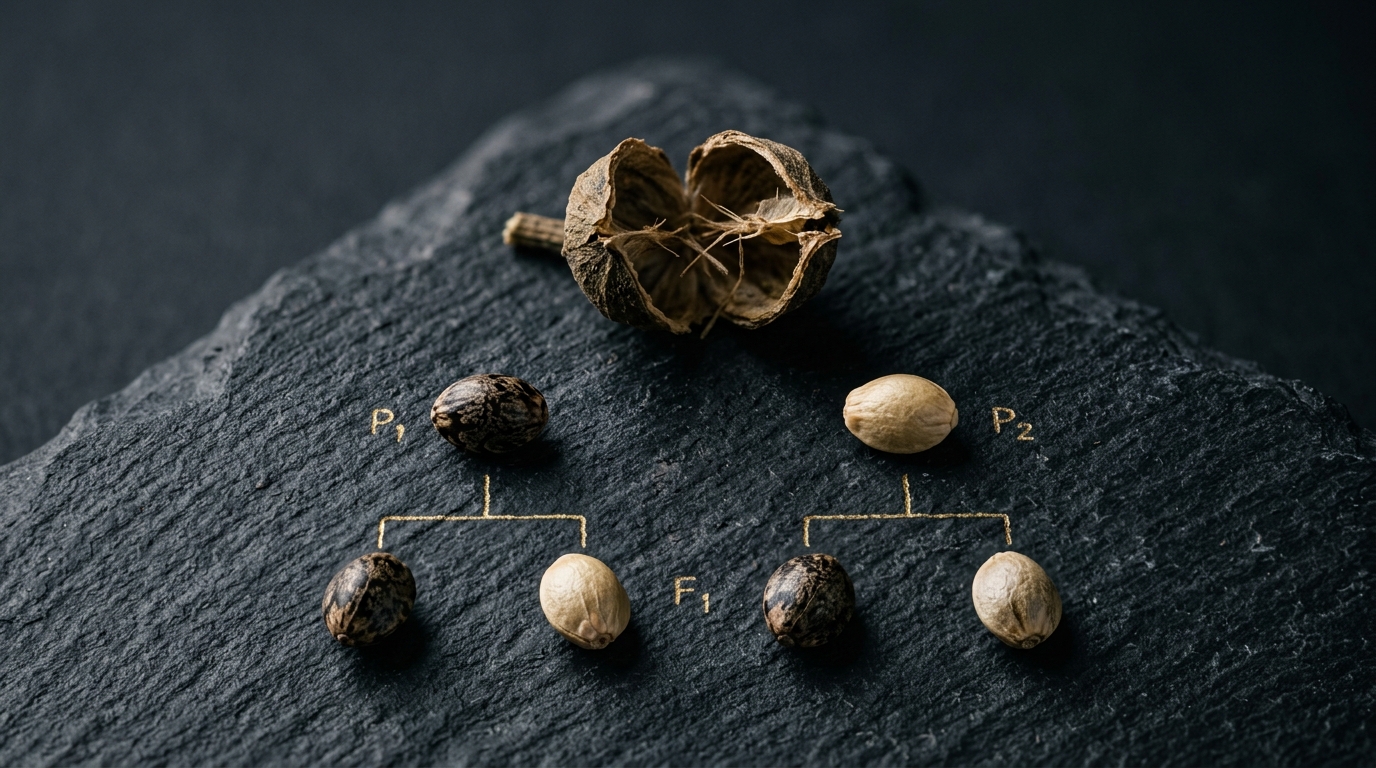
Mendelian inheritance in cannabis (the simple version)
Why your F1 cross looks uniform and your F2 batch is all over the place.

Punnett squares for breeders: predicting trait ratios
The 3:1 ratio every breeder should know on sight.

Polyploidy: what triploid and tetraploid cannabis actually are
Bigger leaves, stickier flowers, sterile seeds — the genetics behind the hype.

Phenotype hunting: a systematic method
How serious hunters work through a 50-pack to find the one.

Chemotypes I, II, III: the cannabinoid groups
THC-dominant, balanced, and CBD-dominant — and why your line is one of them.
Heirloom vs landrace: what's the difference?
Both are old. Only one is wild.

Selection pressure: how breeders steer a line
Why your favorite cut exists — and why the version your friend has is different.
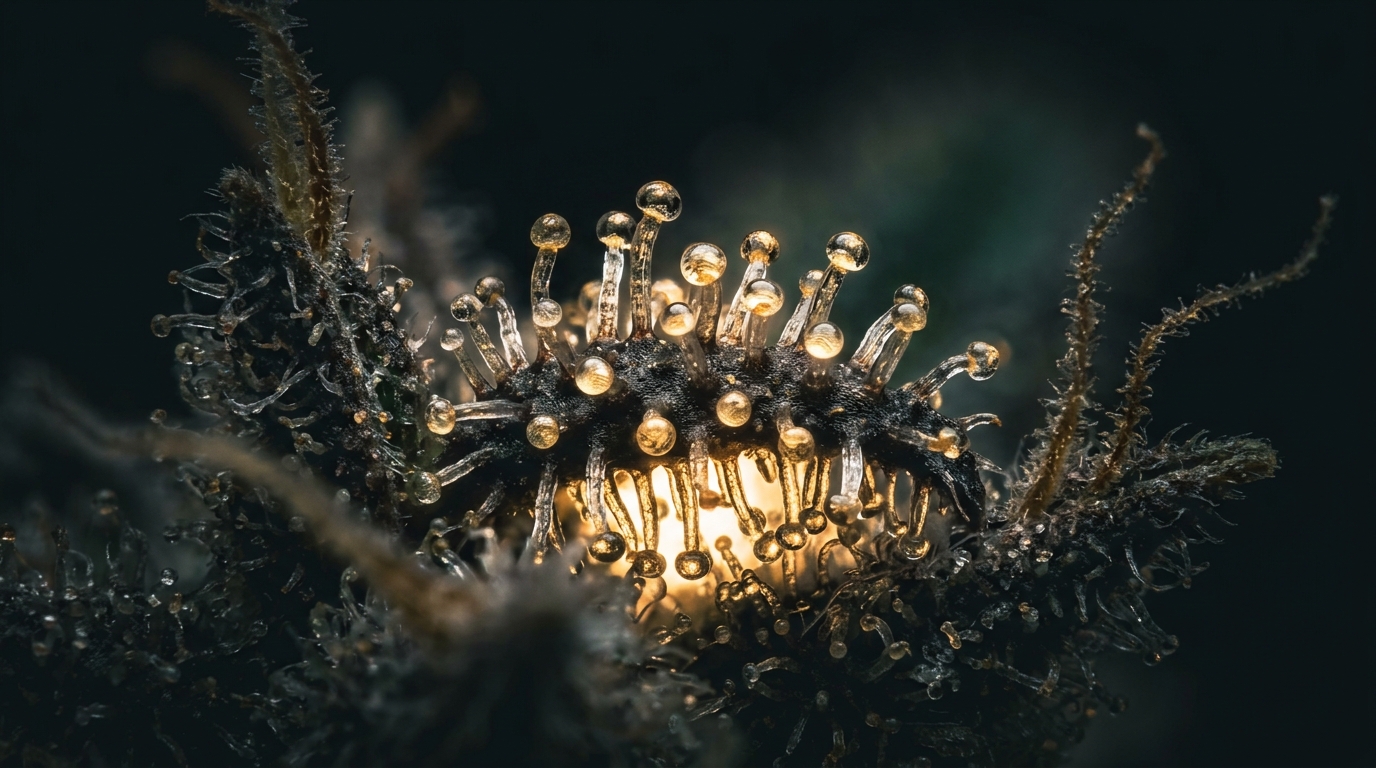
Trichome anatomy & harvest timing
Trichomes are the resin glands. Their color (clear → milky → amber) tells you when to harvest.
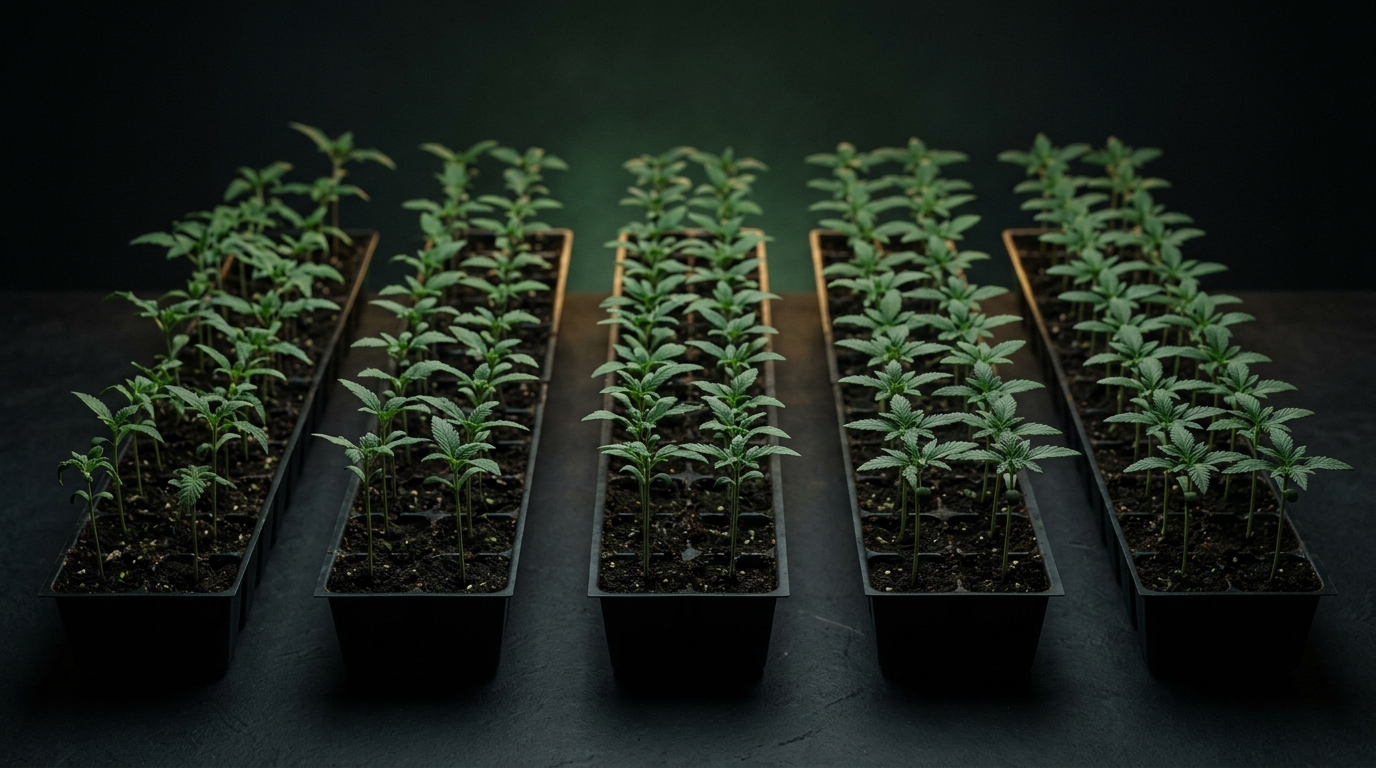
Stabilization & generations
Stabilizing a line means inbreeding across multiple generations until the offspring consistently look like the parents. F5+ is the typical milestone.
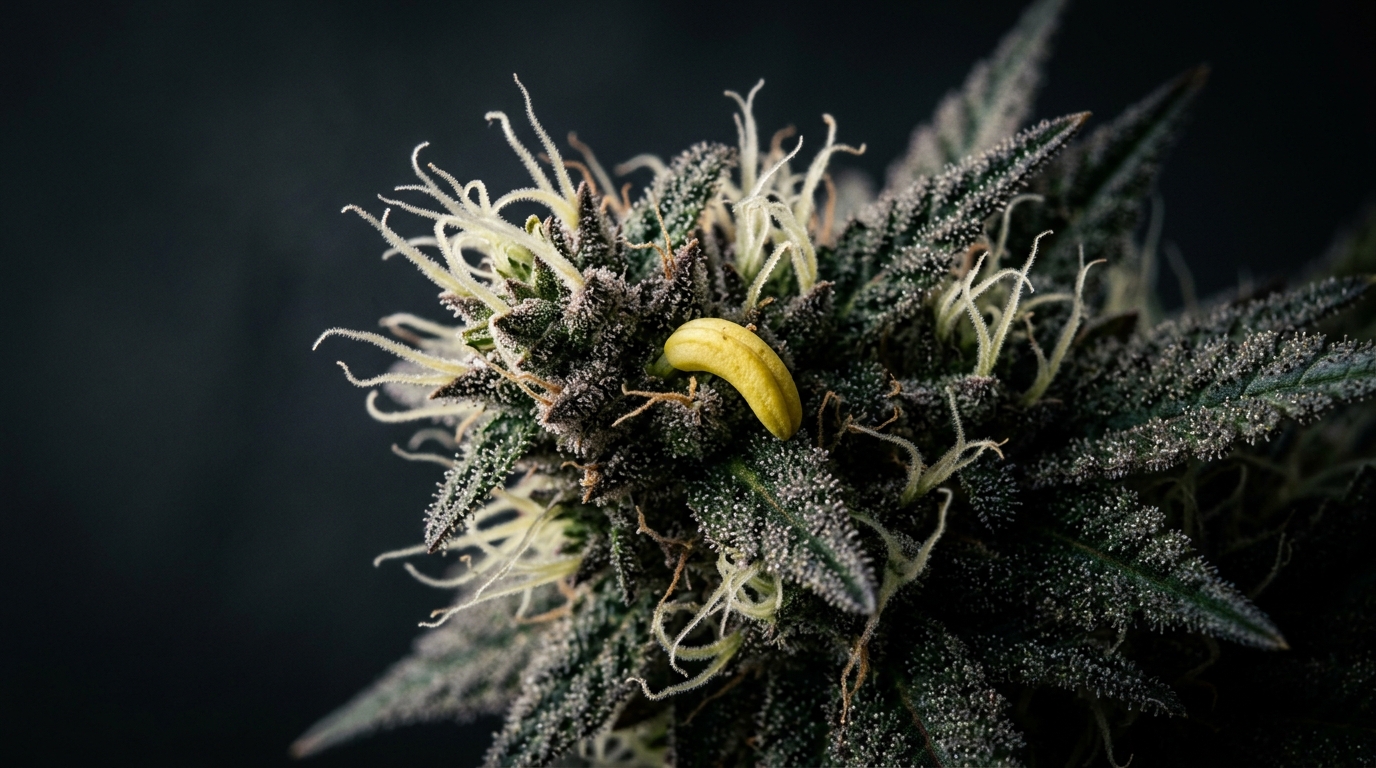
Hermaphrodites & intersex traits
Hermaphroditism in cannabis can be genetic or stress-induced. Either way, it ruins a grow room. Recognizing it early matters.

Phenotype vs genotype
Genotype is the genetic code. Phenotype is how that code expresses under specific conditions. Same seeds, different plants.
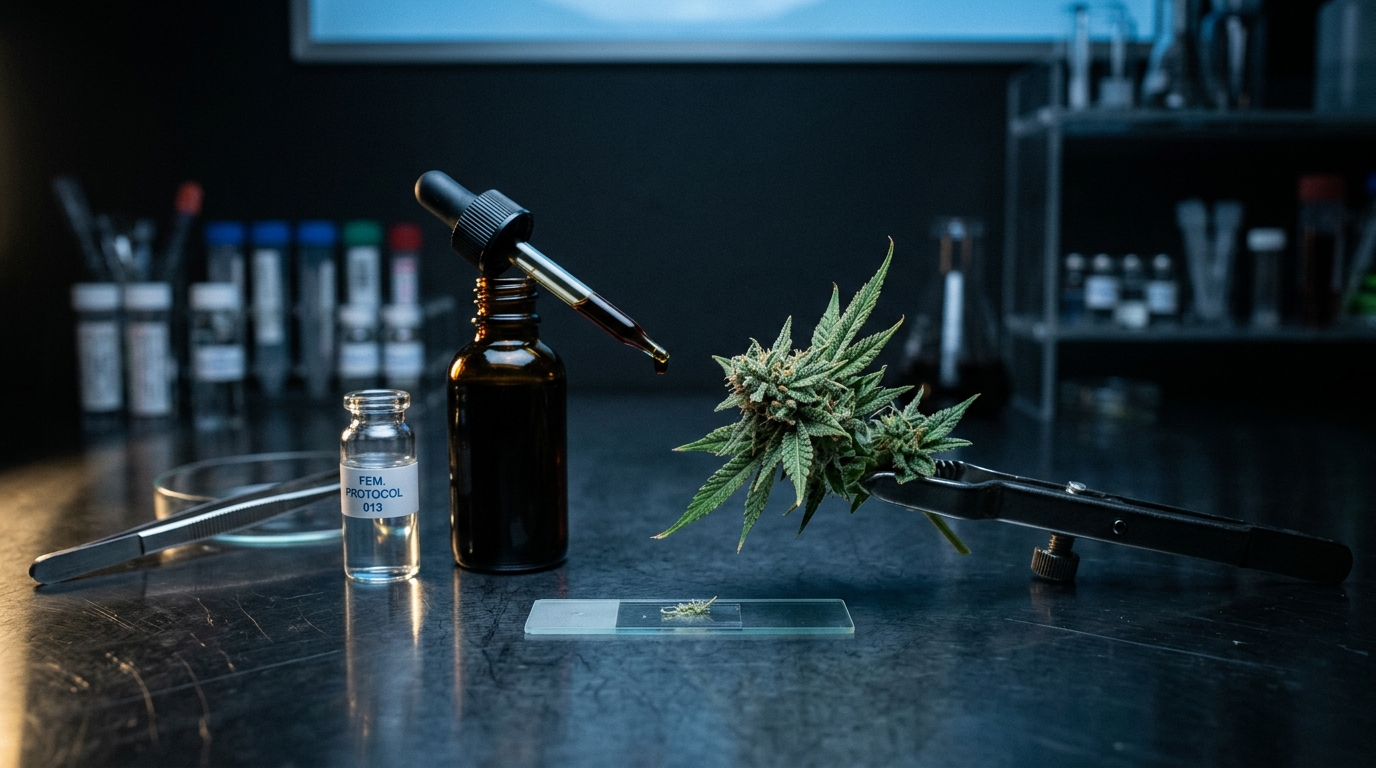
How feminization actually works
Feminization is induced sex-reversal — a female plant is chemically forced to produce pollen, which then makes all-female offspring.

Terpene basics
Terpenes are the aromatic compounds that drive smell and flavor. The big six explain why cannabis tastes the way it does.
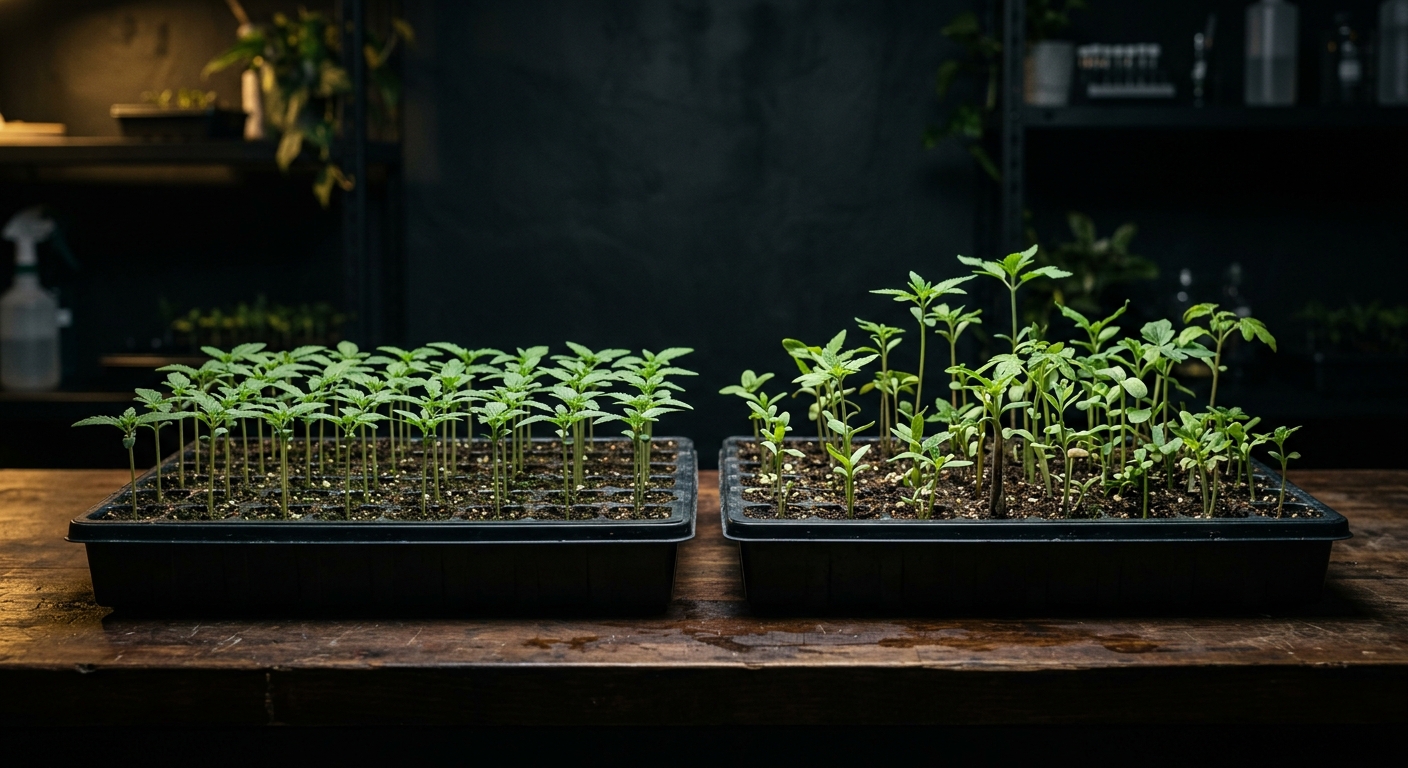
IBL vs polyhybrid
An IBL is a stable inbred line — predictable, uniform offspring. A polyhybrid is two unstable parents crossed — wildly variable offspring.
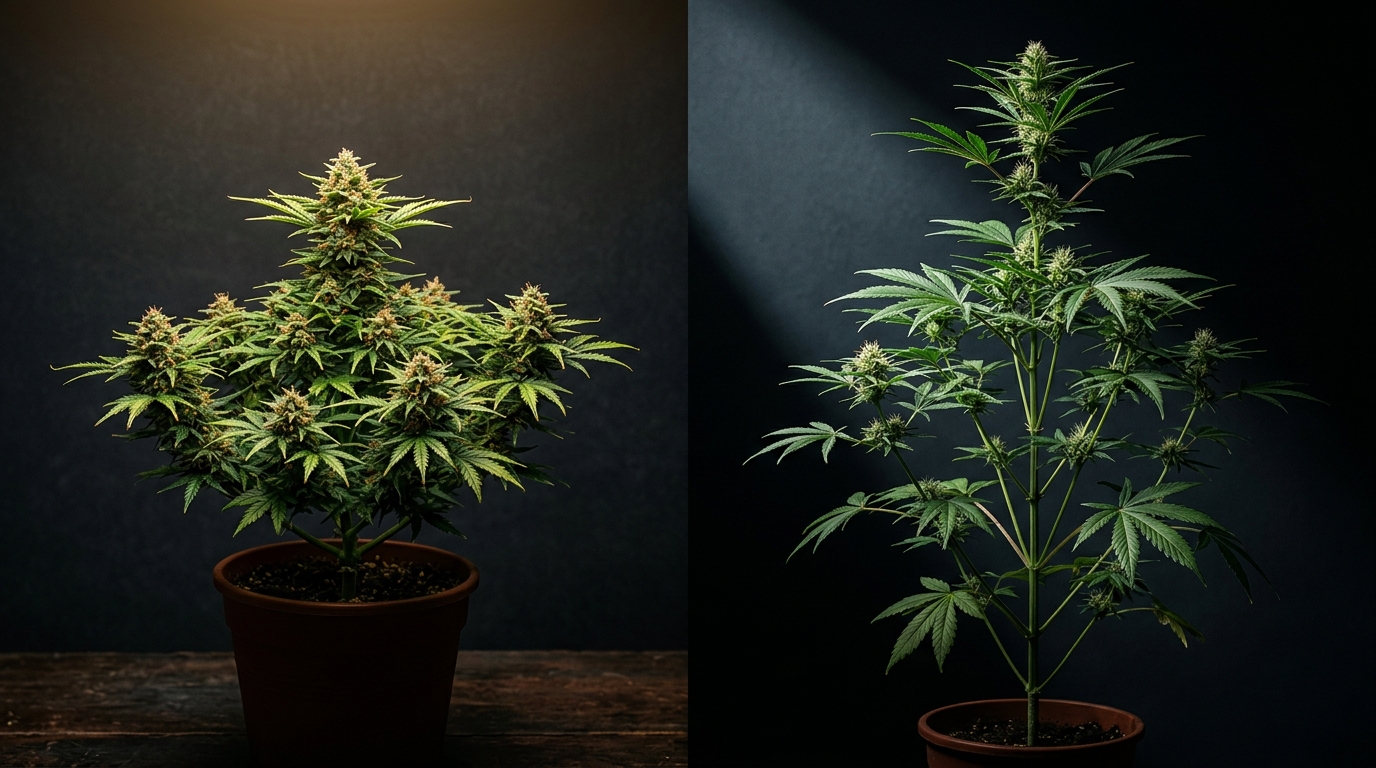
Autoflower vs photoperiod
Photoperiods flower based on light cycle. Autoflowers flower based on age. Two completely different growth strategies.

How CannaForge lineage records work
Every strain on CannaForge has a permanent lineage record — parents, descendants, breeder attribution, family, preservation status. It's the foundation of the genetics graph.

How breeder verification works on CannaForge
Every breeder on CannaForge is reviewed by hand. Verification is application-based, evidence-driven, and tied to ongoing lineage record-keeping.

What is preservation breeding?
Preservation breeding is the practice of keeping rare, heritage, or landrace genetics alive through tissue culture, seed production, and archival cultivation.

What is a landrace?
A landrace is a regional cultivar that evolved naturally in its geography of origin over centuries — the genetic substrate underneath every modern hybrid.

Regular vs Feminized seeds
Regular seeds produce ~50% males / 50% females. Feminized seeds produce ~100% females — but at a cost.
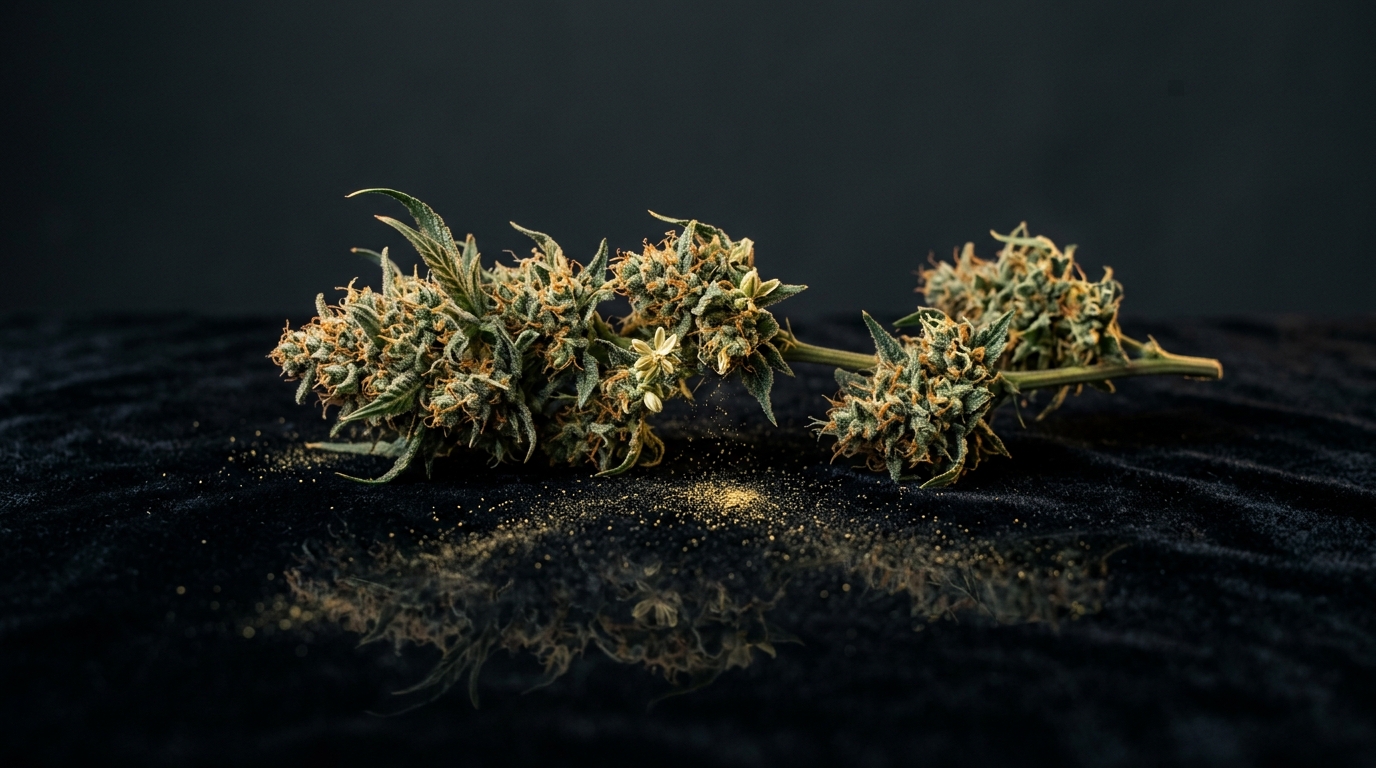
What does S1 mean?
S1 (selfed first generation) is when a single plant is bred with itself — the closest thing to a seed-form clone.
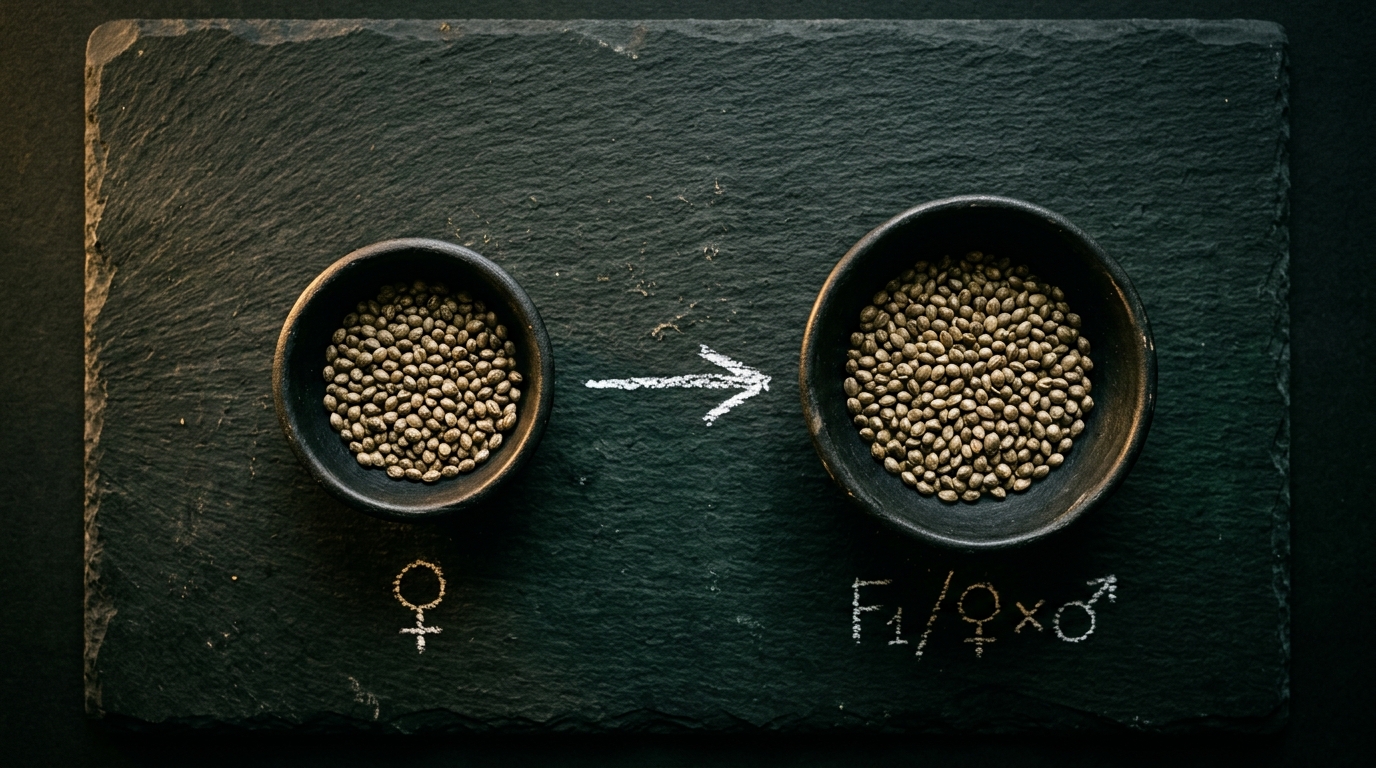
What does BX mean? (Backcross)
BX is a backcross — breeding a hybrid offspring back to one of its original parents to lock in that parent's traits.
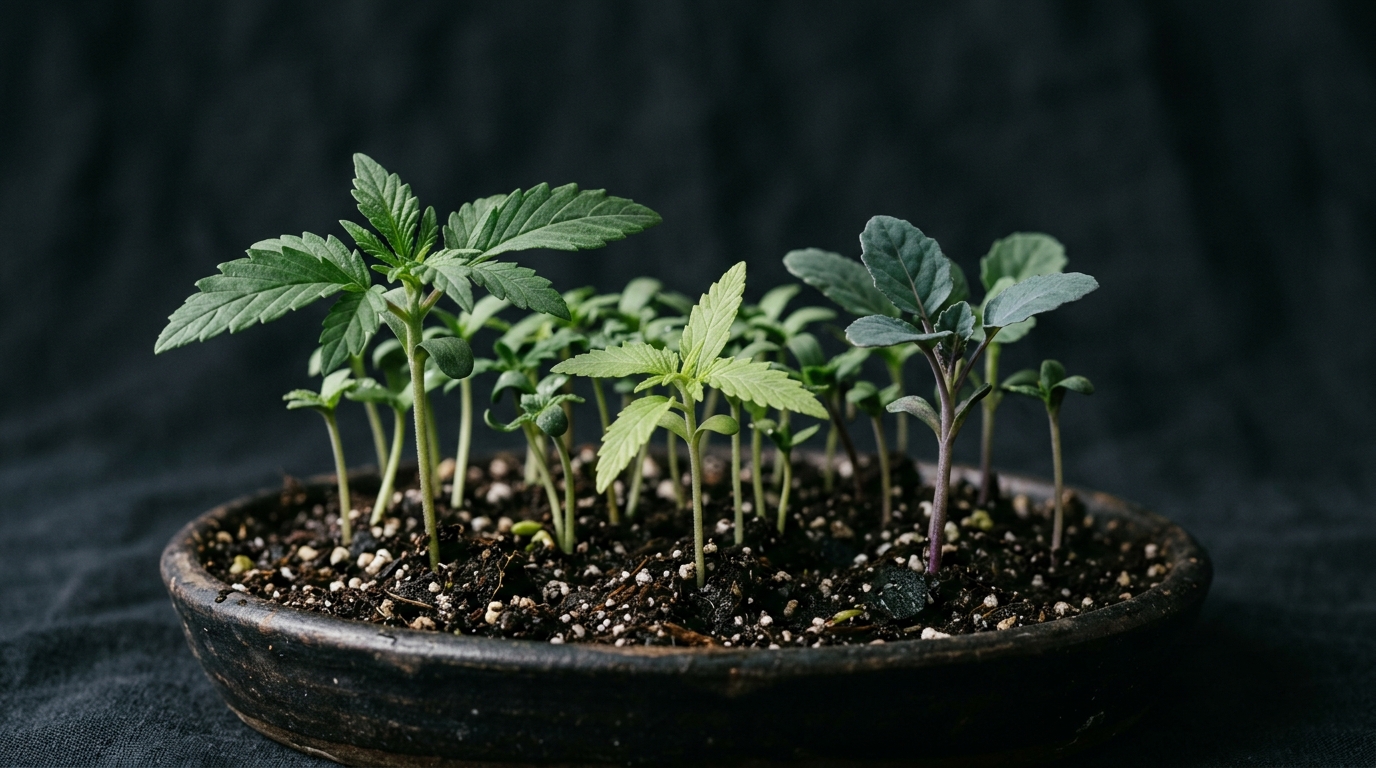
What does F2 mean?
F2 is the second generation — selfing or crossing F1s. This is where recessive traits surface and pheno hunting begins.
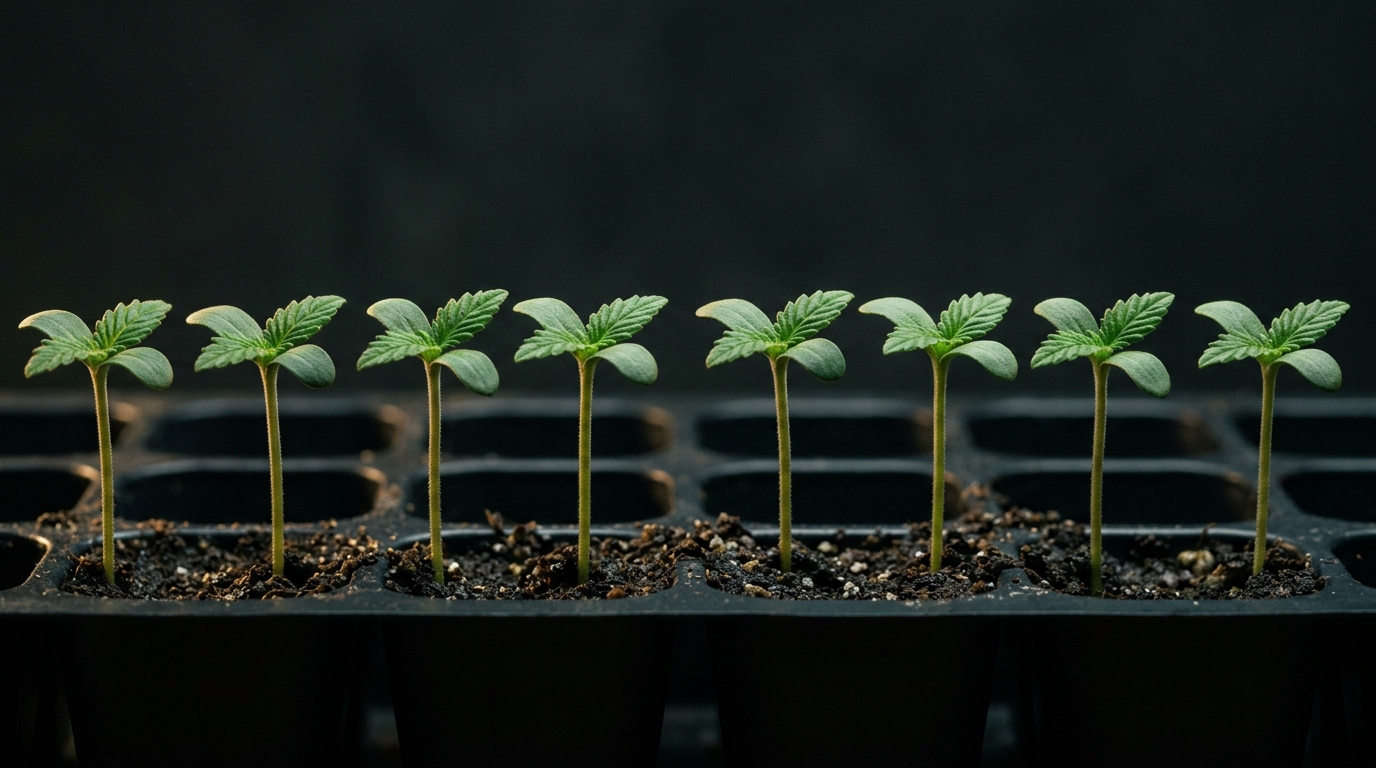
What does F1 mean?
F1 is the first generation of a cross between two true-breeding parents — a hybrid full of vigor and uniformity.