Purple
Purple coloration in cannabis results from anthocyanin pigments, water-soluble compounds that accumulate in plant tissues under specific environmental conditions, particularly cooler temperatures during flowering. Lineage records frequently report purple expression in strains descended from Afghani, Hindu Kush, and certain Indica-dominant crosses, though the trait appears sporadically across diverse genetic backgrounds. Breeders working in this category recognize that purple phenotypes are influenced by both genetic predisposition and cultivation factors—cold exposure can trigger anthocyanin production even in strains not traditionally marketed as purple varieties. The pigmentation does not indicate potency, flavor profile, or chemical composition; it is primarily a visual characteristic determined by plant genetics and growing environment. Purple-expressing plants remain structurally an
Shop Purple genetics
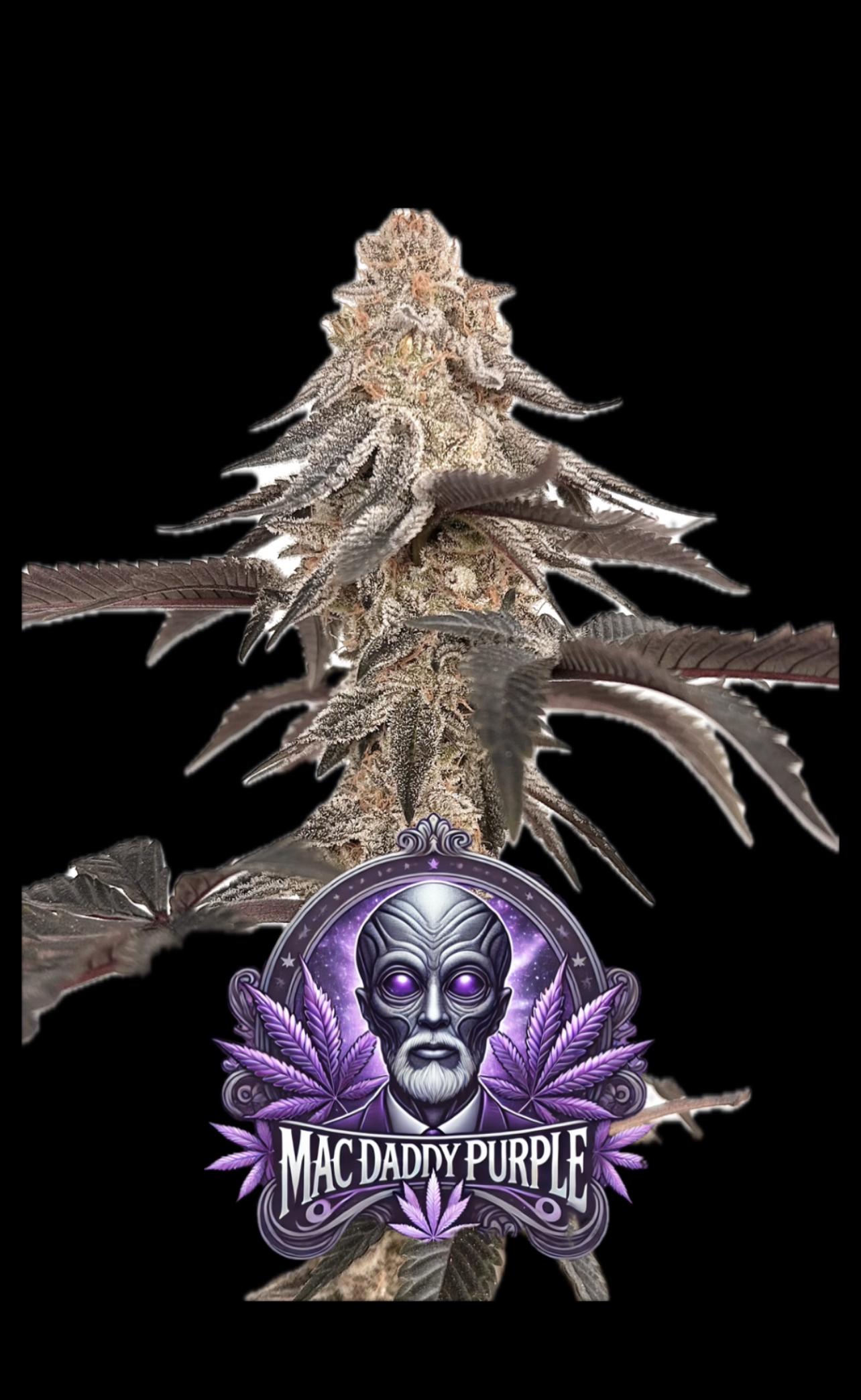
Purple strains
Purple coloration in cannabis results from anthocyanin pigments, water-soluble compounds that accumulate in plant tissues under specific environmental conditions, particularly cooler temperatures during flowering. Lineage records frequently report purple expression in strains descended from Afghani, Hindu Kush, and certain Indica-dominant crosses, though the trait appears sporadically across diverse genetic backgrounds. Breeders working in this category recognize that purple phenotypes are influenced by both genetic predisposition and cultivation factors—cold exposure can trigger anthocyanin production even in strains not traditionally marketed as purple varieties. The pigmentation does not indicate potency, flavor profile, or chemical composition; it is primarily a visual characteristic determined by plant genetics and growing environment. Purple-expressing plants remain structurally an
Breeders select for purple expression through phenotype hunting in existing crosses and targeted line breeding when customers seek consistent color traits. Purple genetics are often combined with other desirable characteristics—yield, terpene profiles, flowering time—requiring multi-generational selection to stabilize the trait alongside other breeding goals.
Educational reference · Cultivar metadata only · No medical claims